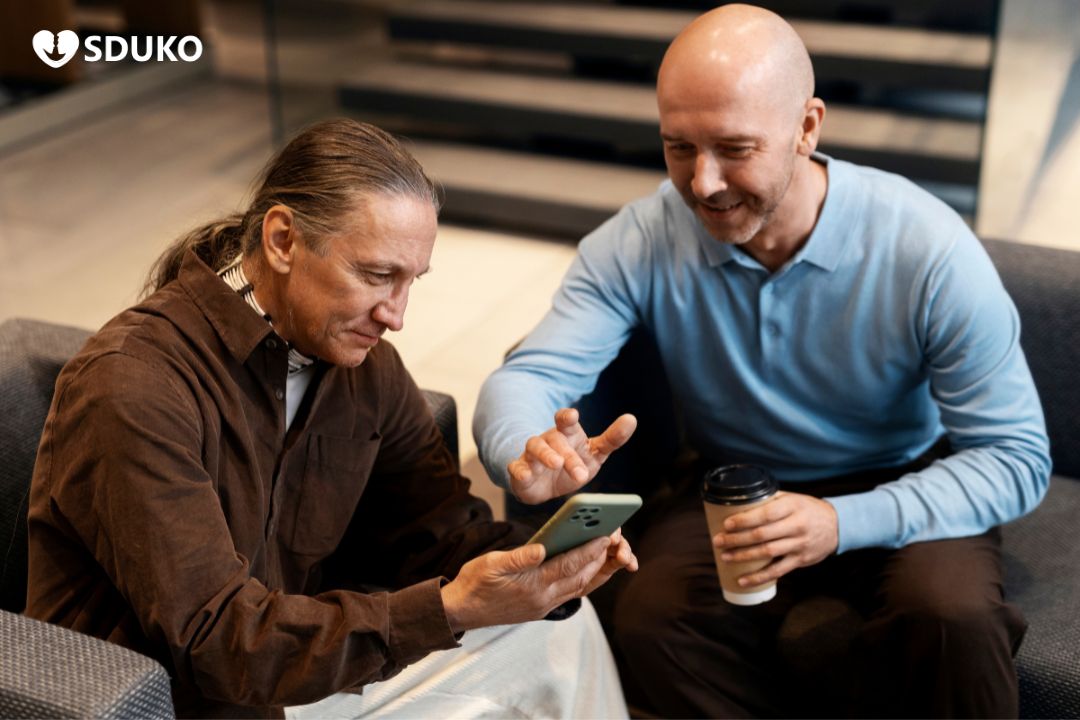
Communication is crucial to all human relationships, but how people actually communicate has undergone quite a change over time. Today, one conversation may happen at a face-to-face encounter, over the telephone, via a text message, through a video call, or on some kind of social media platform.
Modern communication does offer both increased ease and swiftness – yet every method has its very own strengths. Understanding these various modes of communication will enable individuals to pick out the most suitable approach for the particular situation they’re facing.
Face-to-Face Communication
Although digital technology continues to evolve, face-to-face communication still plays a significant role in our daily lives. Talking to someone in person lets Indore escorts see their facial expressions, body language, posture, and all those other non-verbal signals.
Personal conversations themselves will also make it much easier to establish that vital trust and your emotional bond. The really important discussions, those about your relationships and situations that demand real empathy, are all better made through direct contact.
Phone Calls
Phone calls offer a balance between actual interaction and convenience itself. In contrast to text messages, calls let individuals really hear your tone, pauses, and all the variations in your voice.
They’re especially valuable if a conversation is going to be far too detailed for messaging – or if an immediate response is necessary. A brief telephone call can sometimes convey your meaning far better than a very long string of texts.
Text Messaging
Texting has really become one of the most normal forms of daily communication itself. It lets people pass information back and forth very quickly – without needing both parties to be free at that exact moment for a live conversation.
Messages themselves are very handy for short status updates, reminders, just regular conversations, and sharing information. But when you text, you lose quite a few of those non-verbal signals – meaning that your humor, your sarcasm, or your emotional state may occasionally be totally misread.
Email Communication
E-mail really remains a key form of communication for work-related, academic, and very formal reasons. It lets individuals give out all sorts of details whilst also holding onto a written account of your conversation.
Since e-mails may be read and then responded to at completely different times, they’re extremely useful when you don’t need an immediate reply straight away. Clear subject lines, an orderly presentation of the facts, and the right tone itself all help to make professional e-mails far more effective.
Video Communication
Video calls make it possible for individuals to converse face-to-face even if they’re really miles away from one another. They’re commonly employed for business meetings, education, family discussions, job interviews, and socialising.
Video communication comprises both the visual and spoken parts, rendering it a lot more intimate than text-based communication itself. But sometimes technical issues, external interruptions, or a weak internet connection will get in the way of your conversation.
Social Media Communication
Social media has added a further layer to our contemporary communication. Individuals may share views, photos, videos, updates, and messages either to one person or to very big groups.
This lets people stay connected over long distances and find communities based on their common interests. However, Dehradun escorts may also find that making contact with really large numbers of people does require awareness – because messages can be quite easily misinterpreted, spread much more widely than their original setting, or permanently linked to someone’s online profile itself.
Instant Messaging and Group Chats
Messaging applications make group communication very convenient indeed. Your friends, family members, colleagues and communities are able to chat with each other in shared spaces and exchange information virtually at once.
But continuous group notifications themselves may start to be really distracting. Setting some boundaries around those notifications and then responding when it’s convenient for you will really help prevent digital communication from feeling like it’s getting out of control.
Choosing the Right Mode
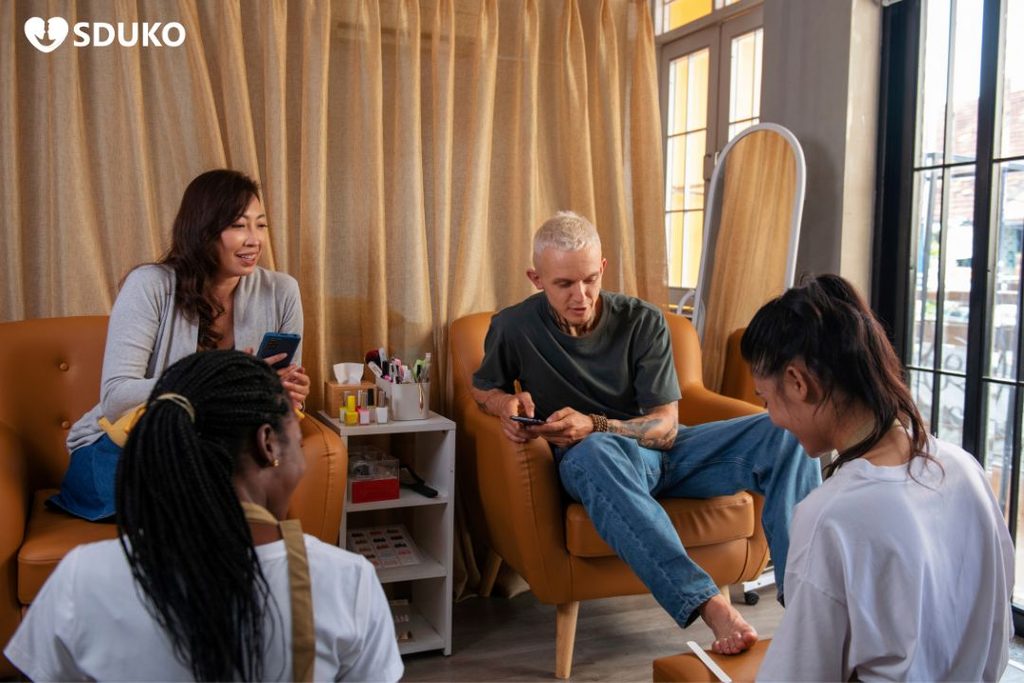
There isn’t one communication method that will work flawlessly for all occasions. A very brief update might be accomplished with a text message, whereas a sensitive and private conversation would be better suited for an in-person talk or even over the phone.
The most truly effective communication really will depend on the subject matter itself, your connection with the individual involved, how urgent it is, and also its emotional complexity. Picking the right method can, as Mumbai escorts may notice, greatly diminish misunderstandings and create your interactions much more productive.
Conclusion
Modern technology greatly expanded our options for communicating with each other, but really effective communication will always depend on listening, clarity, empathy, and mutual respect.
Whether you’re sending a message, making a phone call, participating in a video conference or having a conversation face-to-face, the aim stays the same – to comprehend each other and be truly understood. Thoughtfully making a choice among these very different ways of communicating will really help individuals establish even closer relationships and communicate a lot better in our constantly more interconnected world.