There’s a point when a house starts feeling like it’s demanding too much of your time. The faucet needs scrubbing again. The shower glass has those stubborn white marks. Dishes come out of the dishwasher looking less than impressive, and somehow you’re always buying another bottle of cleaner.
It’s easy to blame the products, the appliances, or simply the fact that life is busy. But sometimes, the water itself is part of the story.
Water quality affects more household routines than most people realize. Hard water can leave mineral deposits, interfere with soap, and contribute to scale inside plumbing and appliances. Once you understand what’s happening, though, there are practical ways to reduce those daily frustrations.
And that’s where the idea behind clean less live more starts to make sense. It isn’t about never cleaning. That would be lovely, but probably unrealistic. It’s about reducing the causes of unnecessary buildup so your regular chores don’t feel endless.
Why Water Quality Matters More Than You Think
Water looks simple when it comes out of a tap, but its chemistry can be surprisingly complex.
Depending on the source, water may contain calcium, magnesium, iron, chlorine, sediment, or other naturally occurring substances. Municipal water is treated before distribution, while private well water can vary according to local geology and environmental conditions.
Some characteristics are harmless but annoying. Hardness, for example, can cause scale on faucets and showerheads. Other substances may affect taste or odor.
The first step isn’t necessarily buying treatment equipment. It’s understanding your water.
A water test can tell you much more than a quick glance at the faucet. Once you know what you’re dealing with, you can choose treatment based on an actual need rather than guesswork.
Hard Water and the Daily Cleaning Battle
Hard water is one of those problems that can quietly become part of your routine.
You wipe down the kitchen faucet, and a few days later, white spots appear again. You clean the shower door, and the glass slowly becomes cloudy. You use extra detergent, yet laundry still doesn’t feel quite as fresh.
The minerals responsible for hardness — mainly calcium and magnesium — can interact with soap and leave deposits behind.
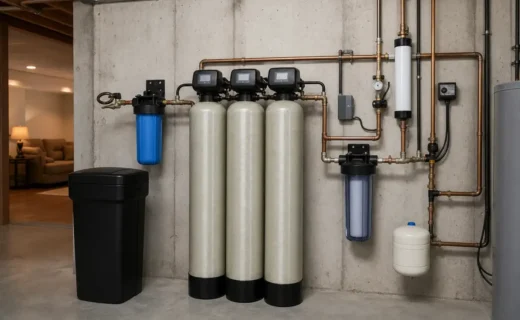
This is where a water softener can help. Traditional softeners use ion exchange to reduce calcium and magnesium in the water, which can decrease scale and improve the way soaps and detergents work.
A softener isn’t a cure-all, though. It doesn’t remove every possible contaminant, and not every household needs one. If your water isn’t particularly hard, the benefits may not justify the cost.
Testing first is the sensible move.
The Water Problems Nashville Homeowners May Notice
Water characteristics vary from one region to another, which is why location matters when thinking about treatment.
Homeowners researching common nashville tn water contaminants may encounter concerns related to minerals, chlorine, sediment, or other substances depending on the water source and local conditions.
Municipal water systems are treated and monitored, but water can still develop taste, odor, or hardness characteristics that homeowners notice. Plumbing within an individual property can also influence what comes out of the tap.
For homes using private wells, the situation is different. Well owners are responsible for monitoring their own water and should consider periodic testing, particularly after flooding, major weather events, or noticeable changes in taste, odor, or appearance.
Local water-quality reports and properly conducted testing can provide useful information before you invest in treatment.
Less Scale Can Mean Easier Cleaning
Nobody wakes up excited to scrub mineral deposits from a showerhead.
Hard-water scale can build up on fixtures, around faucets, and inside appliances that heat water. Over time, these deposits can become increasingly stubborn.
Reducing hardness can make those surfaces easier to maintain. It doesn’t mean the bathroom will clean itself — sadly, we’re not there yet — but it can make routine cleaning less frustrating.
There may also be benefits for water-using appliances. Scale can accumulate in water heaters, dishwashers, and other equipment, potentially increasing maintenance needs.
Keeping minerals under control can therefore be about more than appearance. It’s also part of sensible household maintenance.
Your Cleaning Products May Work Differently
Water chemistry can affect how cleaning products perform.
Hard water minerals can interfere with soaps and detergents, sometimes creating residue rather than the clean finish you’re expecting.
You might compensate by using more product. That’s understandable, but more isn’t always better.
If water hardness is contributing to the problem, addressing the water itself may be more effective than continually changing detergents.
This is one reason people sometimes notice a difference in laundry, dishes, and bathing after installing a properly sized softening system.
Again, results vary. Water treatment isn’t magic, and other factors still matter. But removing one source of interference can make everyday routines easier.
Don’t Treat Every Water Problem the Same Way
One of the biggest mistakes homeowners make is assuming that one treatment system can solve everything.
Water softeners address hardness. Carbon filtration can improve taste and reduce chlorine. Sediment filters capture particles. Reverse osmosis can reduce many dissolved substances.
These technologies have different purposes.
If your main complaint is white scale, investigate hardness. If the issue is chlorine taste, carbon filtration may be more appropriate. If testing reveals a specific contaminant, you’ll want a treatment method designed to address it.
Buying the biggest system available isn’t necessarily the smartest choice.
The right equipment is the equipment that solves the actual problem.
Maintenance Makes a Bigger Difference Than People Expect
Even a good water treatment system needs occasional attention.
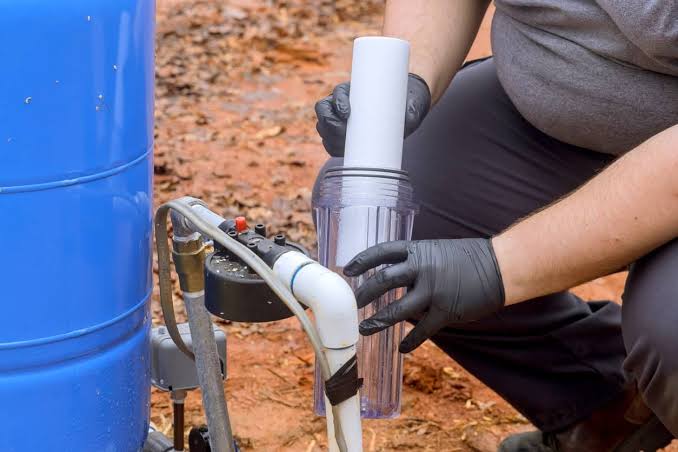
Filters need replacement. Salt levels need monitoring. Control settings should be checked periodically. Components may require cleaning or servicing.
Ignoring maintenance can reduce performance and sometimes create new problems.
Keep track of filter changes and service dates. A reminder on your phone is enough. You don’t need a binder full of paperwork unless that’s your thing.
It’s also worth checking replacement-part costs before buying a system. A low initial price can become less attractive if filters are expensive or difficult to find.
Think About the Time You Get Back
The biggest benefit of improving water quality may not be something you can see immediately on a specification sheet.
It may be the extra ten minutes you don’t spend scrubbing a faucet.
It may be fewer stains on glassware, less soap residue, or fewer trips to the store for specialty cleaning products. Those little moments add up.
Home improvements are often measured in money, but time matters too.
When a system quietly reduces recurring problems, its value can be surprisingly practical.
A Simpler Home Starts With the Right Information
Better water doesn’t necessarily require complicated equipment.
Start by testing your water and understanding its characteristics. Look at your household’s actual problems — scale, staining, taste, odor, or cleaning difficulties. Then choose treatment based on those results.
You may discover you need a water softener. You may need filtration instead. Or perhaps your water is already fine and no major investment is necessary.
That’s the beauty of knowing what you’re dealing with.
The goal isn’t to spend more money on water treatment. It’s to create a home that works a little better, requires a little less unnecessary effort, and gives you more time for things that actually matter.
Because, really, nobody wants to spend Saturday morning scrubbing mineral spots when they could be out enjoying the day.