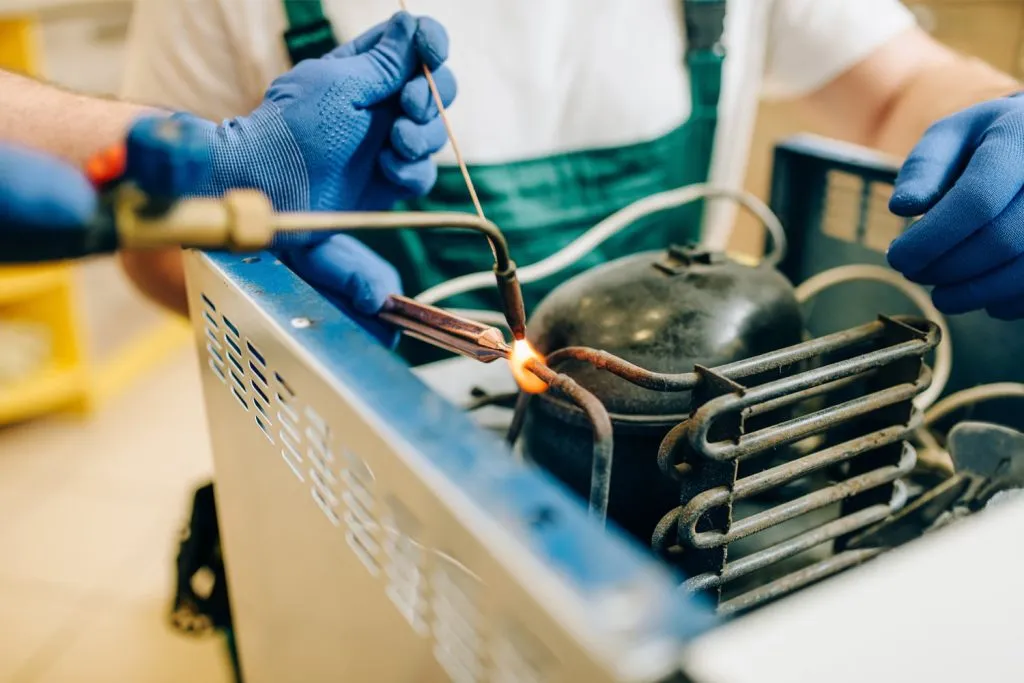
In a busy commercial kitchen, a refrigerator is easy to overlook when everything is working properly. It hums quietly in the background, keeping food cold while chefs prepare meals and staff rush through another busy service. Then one morning, the temperature is climbing, the freezer is covered in frost, or the compressor seems to be running nonstop. Suddenly, that quiet machine becomes the most important thing in the building.
For restaurants, grocery stores, cafés, hotels and food businesses, refrigeration isn’t simply about convenience. It protects inventory, supports food safety and keeps everyday operations moving. A refrigeration problem that looks small at 9 a.m. can become a very expensive headache by lunchtime.
That’s why knowing how to recognize trouble — and knowing who to call — matters more than most business owners realize.
Small Warning Signs Are Worth Noticing
Commercial refrigeration equipment rarely gives you a formal warning before something goes wrong. Instead, it tends to drop hints.
Maybe the unit is taking longer to reach its normal temperature. Perhaps food doesn’t feel as cold as it usually does. You may hear a strange clicking, humming or rattling noise. Sometimes the first clue is simply an unexpected increase in the energy bill.
These signs are easy to brush aside because the equipment is still technically working.
That’s the trap.
A refrigerator that runs constantly may be struggling with a dirty condenser, poor airflow, a failing component or another underlying issue. Catching the problem early can make the eventual repair simpler and less disruptive.
Why Experience Matters During a Repair
Commercial refrigeration systems aren’t all built the same. Walk-in coolers, display cases, under-counter refrigerators and large freezers have different components and operating requirements.
That makes diagnosis important.
Experienced technicians bring practical knowledge that doesn’t always come from a manual. They’ve seen systems behave strangely before. They know that a temperature problem may not necessarily mean the thermostat is faulty, just as an unusual sound doesn’t automatically mean the compressor needs replacing.
Good troubleshooting involves looking at the whole system, testing components and understanding how the equipment has been performing over time.
For a business owner, that’s valuable because the goal should be fixing the actual problem, not replacing parts until something happens to work.
Refrigeration Repair Is About More Than Getting the Unit Running
When equipment fails, the obvious objective is to get it operating again. But a quality repair should also address why the problem happened.
Consider a refrigerator with a damaged door gasket. Replacing the gasket may solve the immediate issue, but if the unit has been operating in a cramped space with inadequate airflow, there could be another problem waiting around the corner.
Professional commercial refrigeration repair should therefore include diagnosis, repair and a basic assessment of the system’s overall condition.
That doesn’t mean technicians need to recommend a long list of expensive upgrades. In fact, honest advice sometimes means saying that a simple repair is enough.
Business owners should appreciate that kind of honesty. Nobody likes spending money they don’t need to spend.
Food Safety Makes Refrigeration Problems Serious
A refrigeration failure isn’t just an equipment problem.
For businesses handling perishable food, maintaining appropriate temperatures is an important part of safe food storage. If a refrigerator or freezer isn’t holding temperature, staff need to respond quickly and follow their established food-safety procedures.
Temperature logs can be especially helpful. They create a record of normal operating conditions and may help staff spot gradual changes before equipment fails completely.
Businesses should also know what their emergency procedure is. Who checks the equipment? Who contacts the service company? Where can food be temporarily moved if necessary?
It may seem excessive until there’s a real failure. Then having a plan feels like common sense.
Keep the Area Around Equipment Clear
Commercial refrigeration needs room to breathe.
Condenser components release heat, and restricted airflow can make the system work harder than necessary. In a crowded kitchen or storeroom, boxes, supplies and other equipment can gradually end up blocking vents or reducing clearance.
Restaurants have an additional challenge: grease and dust.
These can accumulate around refrigeration components, especially in busy kitchen environments. Keeping equipment clean and maintaining the recommended clearance can help support proper operation.
It’s not complicated. It’s just one of those jobs that tends to get forgotten when everyone is busy.
Door Habits Can Affect Performance
Refrigerator doors are opened constantly in commercial kitchens. That’s normal. But leaving them open longer than necessary allows warm air into the refrigerated space.
The system then has to work harder to bring the temperature back down.
Staff training can make a difference here. Employees don’t need a lengthy technical lesson. A simple reminder to close doors promptly, avoid overloading shelves and report unusual temperature changes can go a long way.
Small habits aren’t a replacement for professional maintenance, but they certainly contribute to better equipment performance.
When Repair Makes More Sense Than Replacement
Replacing commercial refrigeration equipment can be expensive, and sometimes it’s completely unnecessary.
If a relatively new unit develops a minor mechanical problem, repair is usually worth considering. Older equipment is more complicated. Frequent breakdowns, rising energy consumption and difficult-to-source parts may suggest that replacement deserves a closer look.
A useful way to approach the decision is to consider the total picture.
How much will the repair cost? How old is the equipment? How often has it failed recently? Is it still reasonably efficient? How much longer is it likely to remain dependable?
The cheapest immediate option isn’t always the cheapest long-term option.
The Value of Professional Service
There’s a temptation to choose a repair company based solely on price, especially when an unexpected breakdown has already put pressure on the business budget.
But refrigeration repairs aren’t the best place to gamble on the lowest quote.
Look for highly qualified professionals with relevant experience, appropriate credentials and a clear approach to diagnosis and pricing. Ask whether they regularly service the type of equipment you use.
Communication matters, too. A good technician should be able to explain what failed, what needs to be repaired and whether other concerns were discovered during the inspection.
You don’t need a lecture full of technical jargon. You need useful information.
Maintenance Can Prevent the Next Emergency
Repairing a failed system is only part of the equation. Keeping it healthy afterward matters just as much.
Routine maintenance can include checking condenser coils, inspecting door seals, testing temperature controls, examining electrical components and looking for signs of wear.
The exact schedule should depend on the equipment, workload and environment. A freezer running around the clock in a busy restaurant may need more attention than a lightly used unit in a small office.
Maintenance also gives businesses an opportunity to plan. Instead of discovering that a ten-year-old system is nearing the end of its life during an emergency, owners can start budgeting for replacement ahead of time.
That little bit of foresight can be worth its weight in gold.
Don’t Ignore Strange Noises
Sound is one of the easiest ways to notice a refrigeration problem.
A compressor that suddenly becomes louder, a fan that starts rattling or a repeated clicking noise can all deserve investigation. It doesn’t necessarily mean the equipment is about to fail, but a change from normal operation is worth noting.
Employees who work around refrigeration equipment every day are often the first people to notice these changes. Encourage them to speak up.
They don’t need to diagnose anything. Their job is simply to say, “That doesn’t sound right.”
The technician can take it from there.
Reliable Refrigeration Supports the Whole Business
Commercial refrigeration may live behind the scenes, but its importance reaches into almost every part of a food-related business.
It protects inventory. It supports food safety. It helps kitchens operate efficiently. And when it works reliably, employees can focus on serving customers rather than worrying about a freezer alarm.
No repair strategy can prevent every failure. Equipment gets old. Components wear out. Unexpected things happen.
Still, businesses can stack the odds in their favor by paying attention to warning signs, maintaining equipment, training staff and working with a dependable service provider.
The best refrigeration repair is often the one you never need in the middle of a Saturday dinner rush. And while nobody can promise that kind of luck forever, good equipment care gets you a whole lot closer.