Water is part of nearly everything we do at home. We use it to make coffee in the morning, wash vegetables for dinner, clean the bathroom and keep appliances running smoothly. Most days, we turn on the tap without giving it a second thought. But when the water starts tasting different, leaves chalky marks on glassware or develops an unusual smell, it quickly gets our attention.
Water quality can vary from one property to another, even within the same general area. The source of the water, the condition of local infrastructure, household plumbing and naturally occurring minerals can all influence what comes out of a tap. That’s why understanding your local supply is often the first step towards finding a practical solution.
Whether you’re moving into a new home or dealing with a problem you’ve noticed for years, a little knowledge can help you make informed decisions without spending money on equipment you don’t need.
Why Local Water Quality Matters
Water supplied by a public utility is generally treated and monitored according to applicable regulations. However, that doesn’t mean every household will experience identical water quality. Differences in plumbing materials, building age and local conditions can affect the water between the supply connection and your kitchen faucet.
For households using private wells, the responsibility for testing and maintaining the water supply is even greater. Groundwater may contain naturally occurring minerals, and contamination can sometimes enter through damaged well components or nearby environmental sources.
Hard water is one of the most common concerns people notice. Calcium and magnesium can leave white deposits on faucets, shower screens and kettles. Over time, scale may also build up inside water heaters and certain appliances, making cleaning more difficult and potentially affecting efficiency.
Other concerns include sediment, unpleasant tastes and odours. These problems don’t all have the same cause, so choosing a treatment system before identifying the issue can be an expensive guessing game.
A water test provides a clearer starting point. It helps determine which characteristics need attention and whether a particular treatment method is likely to help.
Getting to Know the Water in Your Community
Local conditions can make a difference when choosing water treatment. In Syracuse, for example, residents can start by reviewing the local water utility’s published quality information and checking whether their property has any specific plumbing concerns. Public water reports can explain the source of the supply, testing results and treatment processes used by the utility.
These reports are useful, but homeowners should remember that utility testing doesn’t necessarily describe every issue that might develop inside an individual building. Older plumbing, private treatment equipment and plumbing repairs can introduce separate considerations.
If you’ve recently moved into a home, ask whether the previous owner had water testing performed or installed a filtration or softening system. Find out when the filters were last replaced and whether the equipment has been serviced regularly.
Don’t have access to that information? That’s fine. Start with a basic assessment and work from there.
Pay attention to changes rather than relying entirely on appearance. Water that looks clear may still contain substances that require testing, while cloudy water may sometimes result from harmless air bubbles. If a sudden change affects several taps, contact the water provider to ask whether there’s a known supply issue. If the problem appears at just one fixture, the cause could be closer to home.
Hard Water, Taste Problems and Other Common Concerns
Different water problems call for different responses. Understanding the distinction can save time and money.
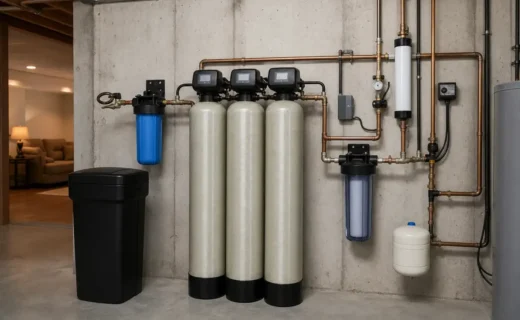
Hard water is usually identified through testing rather than taste alone. If mineral deposits keep returning despite regular cleaning, a water softener may be worth considering. These systems reduce calcium and magnesium through an ion-exchange process, helping limit scale formation.
For drinking water that tastes strongly of chlorine, an appropriately certified activated carbon filter may improve taste and odour. However, the filter must be designed for the particular substances you’re trying to reduce, and its cartridges need to be replaced according to the manufacturer’s instructions.
Sediment filters can help capture particles such as sand and rust, depending on the filter rating. They won’t necessarily remove dissolved minerals or chemical contaminants.
Homeowners in Geneva who are investigating a change in water taste or recurring mineral deposits can follow the same basic approach: identify the symptom, check reliable local water information and arrange appropriate testing if needed. The important thing is not to assume that a neighbour’s treatment system will solve your problem too.
Even nearby homes can have different plumbing materials, water usage patterns and treatment equipment. A solution should match your property, not simply someone else’s experience.
Choosing a Water Treatment System Without Overspending
Walk into the water treatment market and you’ll find plenty of products promising cleaner, fresher or healthier water. Some are useful, but not every household needs a whole-home filtration system or a sophisticated multi-stage installation.
Start by deciding what you want to improve. Is the main concern drinking water taste? Mineral buildup? Sediment? Or has a test identified a specific contaminant that needs to be reduced?
For a single drinking-water outlet, an under-sink filter may be sufficient. A whole-house system may make more sense when the concern affects multiple fixtures or when treatment is needed at the point where water enters the property.
Reverse osmosis systems can reduce many dissolved substances, depending on their design and certification. However, they require maintenance and produce a wastewater stream. They’re not automatically the best choice for every household.
When comparing products, look for clear performance specifications and independent certification where applicable. Check the cost of replacement filters, the expected service life of components and whether local technicians can maintain the system.
A low purchase price doesn’t always mean lower long-term costs. On the other hand, a more expensive system isn’t necessarily better if it treats problems your household doesn’t have.
Don’t Forget About Plumbing and Maintenance
Water treatment equipment isn’t the answer to every water problem. Sometimes the cause is a corroded pipe, a neglected water heater or a fixture that needs repair.
Rust-coloured water, for example, may indicate sediment disturbance or corrosion somewhere in the plumbing or distribution system. If the discoloration is sudden, persistent or accompanied by other unusual changes, investigate the cause before installing a filter. Treating the symptom without addressing its source may only provide temporary relief.
Residents in Auburn and other communities can benefit from keeping basic records of water-related issues, including when discolouration appears, whether it affects hot and cold water, and whether nearby households report similar symptoms. Those details can help a plumber or water provider narrow down the possibilities.
Regular maintenance is equally important once a treatment system is installed. Replace filters when required, inspect connections for leaks and follow the manufacturer’s cleaning instructions. If the system is designed to address a particular contaminant, periodic testing may help confirm that it’s still performing as intended.
Private well owners should follow local public health recommendations for testing and well maintenance. If contamination is suspected, use appropriate testing and seek advice from a qualified professional rather than relying on taste or smell.
Simple Habits That Support Better Water Quality
You don’t need to change your entire home to make sensible improvements. A few everyday habits can help you stay informed and avoid preventable problems.
- Read your local water quality report and keep a copy for reference.
- Clean faucet aerators and showerheads when mineral deposits accumulate.
- Replace filters according to the manufacturer’s schedule.
- Investigate persistent changes in taste, smell, colour or pressure.
- Test private well water regularly using suitable methods.
- Ask for clear explanations before paying for treatment equipment.
These steps may seem ordinary, but they create a useful foundation for managing water quality over the long term.
Making a Confident Choice for Your Home
Good water treatment begins with understanding the water you already have. Local reports, appropriate testing and a careful look at your plumbing can help separate genuine concerns from problems that simply need routine maintenance.
Once you know what’s happening, choosing equipment becomes much easier. You can compare options based on their actual purpose, ongoing costs and suitability for your property instead of relying on broad marketing promises.
Water quality doesn’t have to become a complicated household project. Start with one question, investigate it properly and take the next step when you have enough information. The result may be a simple filter, a targeted repair or a more comprehensive treatment system.
Whatever the answer, an informed decision is usually better than a rushed purchase. And when it comes to something you use every single day, that extra care is well worth the effort.