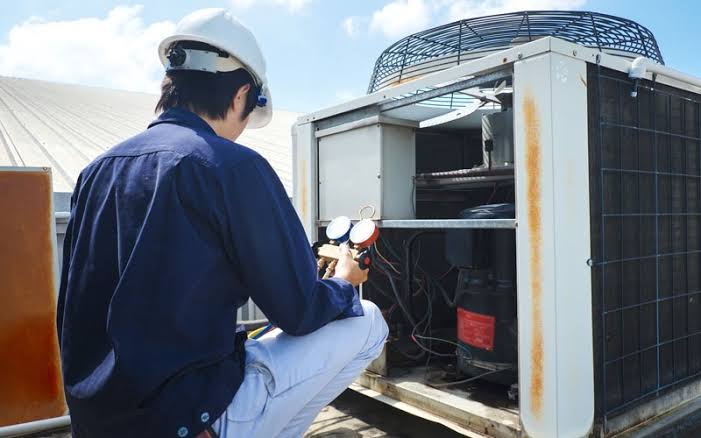
Most people wouldn’t consider driving their car for years without arranging an occasional service. Yet when it comes to heating and cooling equipment, maintenance is often postponed until something goes wrong.
An air conditioner that struggles to cool the house, a furnace making unfamiliar noises, or an unexpectedly expensive electricity bill can quickly remind homeowners why regular servicing matters.
For residents of Fort Mohave, where prolonged summer heat puts considerable pressure on cooling equipment, staying ahead of maintenance requirements is particularly worthwhile.
Rather than waiting for an inconvenient breakdown, homeowners can take practical steps to protect their equipment throughout the year. Regular inspections, seasonal tune-ups, and responsible maintenance habits can help preserve indoor comfort while reducing avoidable operating expenses.
Discovering Hidden Equipment Problems Before They Get Worse
Heating and cooling systems can develop mechanical problems long before homeowners notice any significant changes in indoor comfort. A deteriorating connection, dirty coil, or worn component might remain unnoticed for months.
Arranging a routine HVAC inspection and service gives qualified technicians an opportunity to evaluate equipment condition, identify developing concerns, and recommend appropriate solutions.
During an inspection, professionals may assess electrical connections, thermostat operation, airflow, condensate drainage, and the condition of essential mechanical components.
Consider an air conditioner that seems to be cooling adequately but has accumulated considerable dirt around its coils. Over time, this accumulation may interfere with heat transfer and contribute to inefficient operation.
Without professional attention, the homeowner might only recognize the problem when energy expenses begin increasing.
Regular inspections also provide useful information about the equipment’s overall condition. Understanding which components remain reliable and which may require future attention makes household maintenance expenses easier to anticipate.
Sometimes, identifying a developing problem early can make the difference between a manageable repair and an unexpected equipment breakdown.
Getting Your Heating and Cooling Equipment Ready for Seasonal Changes
Your HVAC system faces different challenges throughout the year. Summer places heavy demands on air conditioning equipment, while cooler weather requires dependable heating performance.
Professional AC and heating system tune-ups help prepare equipment for these changing conditions through targeted inspections, cleaning, performance assessments, and necessary adjustments.
An air conditioning tune-up may involve examining evaporator and condenser coils, checking airflow, evaluating electrical components, and inspecting drainage arrangements.
Heating equipment requires its own set of assessments. For fuel-burning furnaces, qualified technicians may inspect ignition systems, evaluate combustion performance, and examine ventilation components.
These checks are particularly important because certain heating equipment faults can present safety concerns.
Imagine switching on your furnace during the first chilly evening of the season, only to discover that it isn’t producing adequate warmth. An earlier inspection might have identified the underlying problem.
Scheduling cooling maintenance during spring and heating inspections during autumn can help homeowners prepare before seasonal demands increase.
A thorough tune-up is more than a quick equipment inspection. It’s an opportunity to evaluate how effectively the entire system operates under normal conditions.
Taking a Smarter Approach to Long-Term HVAC Protection
Replacing heating and cooling equipment can represent a substantial household expense. Naturally, most homeowners would prefer to maintain their existing systems for as long as reasonably possible.
Investing in preventative heating and cooling care helps address avoidable operating problems that may contribute to equipment deterioration, inefficient performance, and unnecessary repair expenses.
Restricted airflow, accumulated dirt, and deteriorating mechanical components can place additional strain on HVAC systems.
Addressing these concerns through consistent maintenance may help preserve equipment performance and reduce certain avoidable breakdowns.
Preventive care also encourages homeowners to become more familiar with their systems.
For instance, keeping track of previous repairs and maintenance recommendations can provide valuable information when deciding whether an aging air conditioner should be repaired or replaced.
Of course, regular servicing cannot eliminate ordinary mechanical wear or guarantee that equipment will never fail.
Nevertheless, maintaining a system consistently is generally more practical than neglecting it until expensive repairs become unavoidable.
Recognizing Changes That Indicate Your HVAC System Needs Attention
Heating and cooling problems don’t always announce themselves through a complete breakdown. Sometimes, the earliest indications are relatively subtle.
Pay attention to warning signs such as:
- Unusual rattling, buzzing, or grinding sounds.
- Reduced airflow coming from indoor vents.
- Unexpected increases in household energy expenses.
- Inconsistent temperatures between different rooms.
- Frequent system cycling or unusually long operating periods.
- Moisture collecting around indoor air conditioning components.
These symptoms can have several underlying causes. A restricted filter, malfunctioning thermostat, or deteriorating component could be responsible.
Professional troubleshooting helps determine whether routine servicing or more extensive repairs are necessary.
Avoid attempting unfamiliar electrical, combustion, or refrigerant-related repairs. These tasks require appropriate qualifications, equipment, and safety precautions.
Supporting HVAC Performance Between Professional Appointments
Homeowners can do several simple things to help maintain equipment performance throughout the year.
Replacing accessible air filters according to manufacturer recommendations is particularly important. Keeping furniture and curtains away from indoor vents can also support unrestricted airflow.
Outdoor equipment should remain free from surrounding debris and vegetation that could interfere with ventilation.
Consider your thermostat habits, too. Sensible temperature settings and programmable controls may help reduce unnecessary energy consumption without compromising household comfort.
Maintaining suitable insulation and weatherstripping around exterior doors and windows can further reduce unwanted heat transfer.
These habits complement professional servicing rather than replacing it.
Making Routine Maintenance Part of Your Household Budget
Instead of treating HVAC servicing as an unexpected expense, consider including it in your annual household maintenance budget.
Compare available service arrangements, inspection schedules, and included maintenance tasks before choosing a provider.
Ask about additional repair charges, technician qualifications, and equipment-specific servicing requirements.
A transparent maintenance agreement can make expenses easier to anticipate while helping you stay organized throughout the year.
Enjoying Greater Confidence in Your Indoor Comfort
A dependable HVAC system quietly supports some of the most enjoyable moments at home, whether you’re relaxing after work or spending time with family.
For Fort Mohave homeowners, preparing equipment before demanding weather arrives can make those everyday experiences more comfortable.
Regular inspections, timely servicing, and thoughtful maintenance habits offer a practical way to protect your heating and cooling investment.
Ultimately, caring for your HVAC system today can help reduce tomorrow’s frustrations while preserving the comfort and convenience your household deserves.