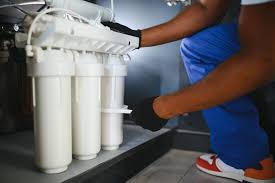
A water filtration system is one of those household investments that’s easy to forget about once it’s installed. You enjoy better-tasting water, fill your kettle without hesitation, and carry on with everyday life. Months pass, and the equipment beneath your kitchen sink barely crosses your mind.
Then, perhaps, you notice the water flowing a little slower than usual. Or that familiar unpleasant taste starts returning.
Water filters aren’t designed to last forever. They need occasional attention to remain effective, and overlooking their maintenance can undermine the benefits that made you purchase the system in the first place.
Why Water Filters Lose Their Effectiveness Over Time
Every time water passes through a filtration system, its components work to reduce specific unwanted substances. Depending on the technology, these might include sediment, chlorine, organic compounds, or dissolved contaminants.
Eventually, filtration materials reach their capacity. Sediment accumulates, carbon media become exhausted, and water flow may gradually decline.
Regular filter replacement helps maintain the performance of your treatment equipment while preventing unnecessary strain on certain components. It’s a fairly simple responsibility, yet one that often gets overlooked during busy household routines.
What makes things slightly complicated is that an exhausted filter doesn’t always look dirty. Nor does filtered water necessarily develop a strange taste when treatment performance declines.
That’s why following a recommended maintenance schedule is generally more reliable than waiting for obvious warning signs.
Understanding the Maintenance Needs of Reverse Osmosis Systems
Reverse osmosis is a popular treatment method for households looking to reduce various dissolved impurities in their drinking water. These systems typically contain several filtration stages, each performing a different function.
Pre-filters help reduce sediment and other substances that could damage the membrane. The membrane itself separates many dissolved contaminants from the treated water, while post-filters may improve taste.
Keeping up with reverse osmosis filter replacement is important because neglected preliminary filters can affect the performance and service life of the membrane.
Replacement intervals vary depending on equipment design, water consumption, and incoming water conditions. Some components need changing more frequently than others.
If you’re unsure when a particular cartridge or membrane needs replacing, check the manufacturer’s instructions rather than relying on a general timetable found online. Different systems can have quite different requirements.
Little Warning Signs That Deserve Your Attention
Water filtration equipment often gives subtle clues when something isn’t working properly. The difficulty is noticing them amid everything else happening around the house.
Perhaps filling a water bottle takes noticeably longer than it did a few months ago. You might detect an unfamiliar odor or discover moisture around a filter housing.
Unusual operating noises, declining water pressure, and changes in water appearance are also worth investigating.
Of course, these symptoms don’t automatically mean a cartridge is exhausted. Plumbing issues, pressure changes, and damaged components can produce similar problems.
Rather than immediately purchasing replacement parts, take a moment to identify the likely cause. A straightforward inspection could save you from spending money unnecessarily.
When Professional Maintenance Makes More Sense
Some homeowners feel perfectly comfortable changing cartridges themselves. Others would rather leave anything involving plumbing connections and pressurised equipment to someone with experience. Both approaches are understandable.
Reliable water filtration maintenance support can be particularly valuable when dealing with complicated treatment arrangements, recurring performance problems, or equipment that requires specialised servicing.
A technician can inspect connections, assess water pressure, evaluate component condition, and perform appropriate water quality checks.
Professional assistance may also help identify whether changes in your incoming water supply are affecting treatment performance.
Sometimes, the issue isn’t a faulty filtration system at all. Seasonal changes, increased sediment concentrations, or other developments in the water supply may require adjustments to the existing treatment setup.
Choosing the Right Replacement Components
Buying replacement cartridges might seem straightforward until you’re faced with dozens of products that look almost identical.
Physical size alone doesn’t guarantee compatibility. Different cartridges offer varying filtration capabilities, flow rates, and treatment capacities.
Always check your system’s model number and manufacturer specifications before making a purchase. Where relevant, look for independently certified products designed to reduce the contaminants you’re concerned about.
Cheaper alternatives can be tempting, particularly when several components need changing simultaneously. However, unsuitable replacements may deliver disappointing results or interfere with equipment performance.
It’s usually worth spending a little extra time checking compatibility rather than discovering a problem halfway through installation.
Creating a Maintenance Routine That Actually Sticks
Let’s face it, remembering water filter service dates isn’t particularly exciting. There are plenty of other household responsibilities competing for attention.
A simple calendar reminder can make maintenance considerably easier. Recording installation dates and recommended servicing intervals also helps prevent confusion, especially if your equipment contains multiple filtration stages.
Households that consume large quantities of water or experience challenging water conditions may need more frequent attention.
Keeping spare compatible cartridges available can be useful, provided they’re stored according to manufacturer recommendations.
Regular water testing is another sensible habit, particularly for properties relying on private wells. Testing helps assess whether treatment equipment continues to meet the household’s specific needs.
Good Water Quality Starts With Consistent Care
A dependable water filtration system can make everyday life more comfortable, but its performance depends partly on how well it’s maintained.
Replacing worn components, investigating unusual changes, and arranging professional servicing when necessary are relatively small responsibilities that can protect your investment.
You don’t need to become a water treatment expert to enjoy the benefits of properly maintained equipment. A little organisation and occasional attention can go a long way.
After all, clean-tasting, reliable water is something your household depends on every day. Giving your filtration system the care it needs is a simple way to keep that everyday convenience from becoming an unexpected headache.